
Before going to South Africa, we watched videos, read reviews and tried to prepare ourselves.
That helped.
But there are some parts of an African hunting safari you do not fully understand until you are there.
Here is what the experience was actually like at Kuche Safaris.
Is Hunting on a South African Game Reserve Easy?
No.
At least, that was not our experience.
Before the trip, I assumed the hunting might be easier because the properties were fenced and described as game reserves.
In the United States, those words can create a very particular picture.
South Africa is different.
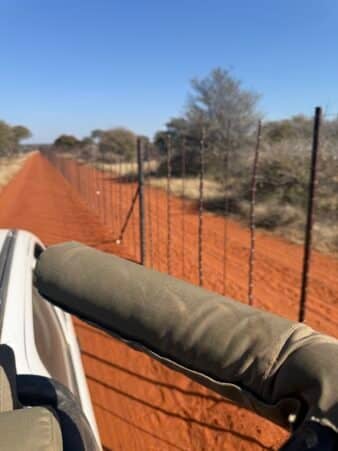
Everything is fenced, including the roads. The hunting properties can still contain thousands of acres, heavy brush, open grassland and more than enough room for animals to avoid you.
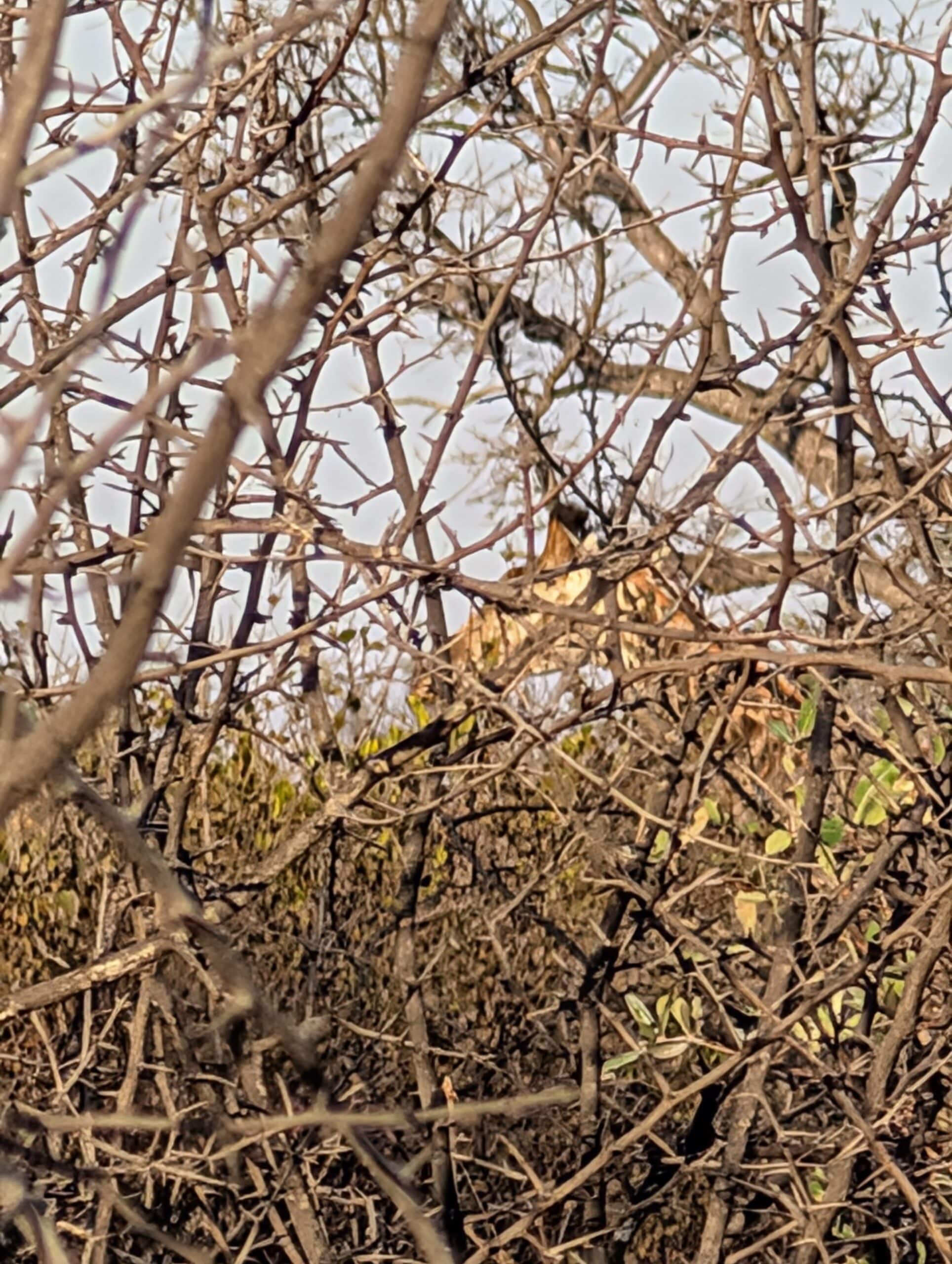
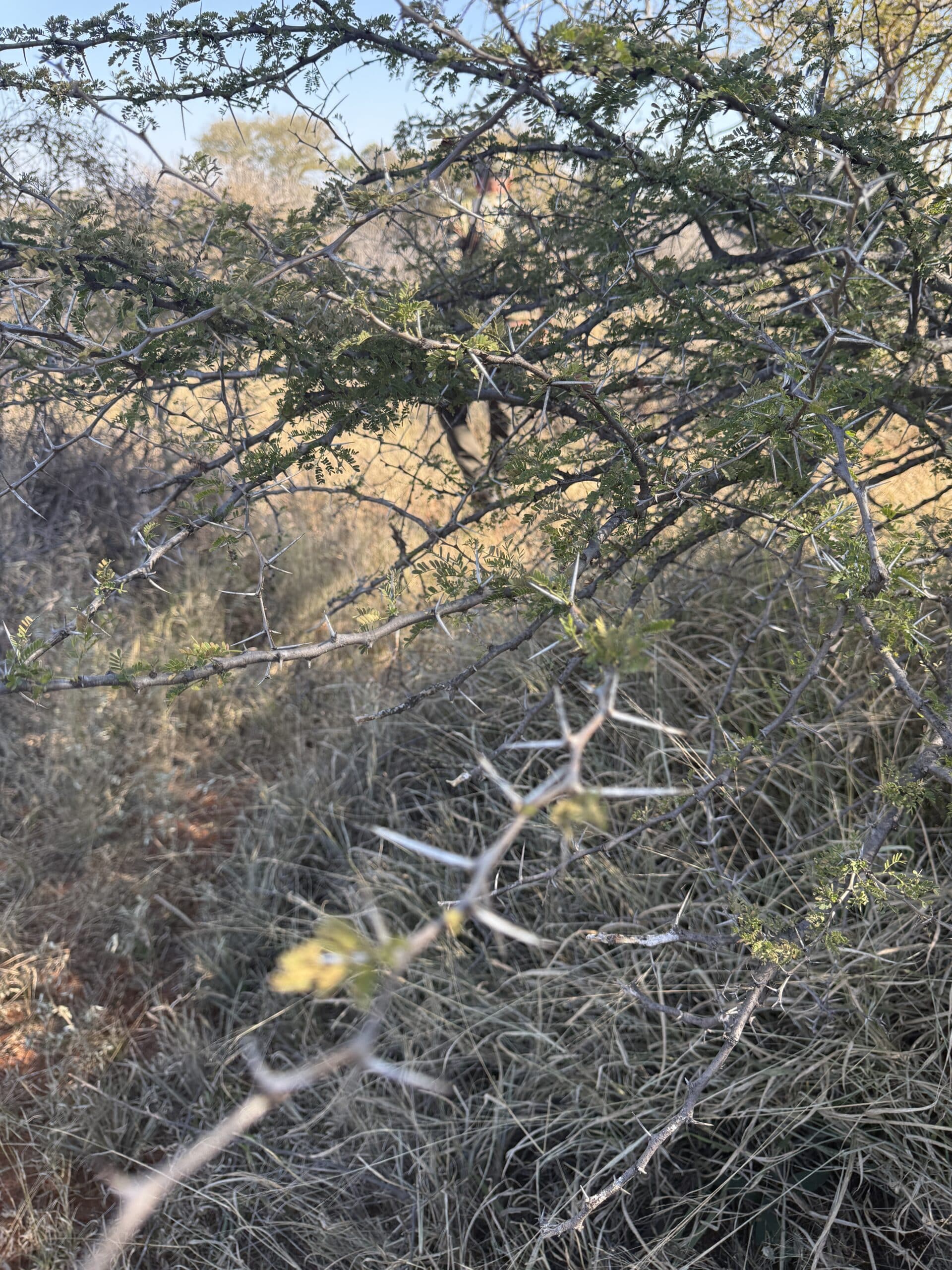
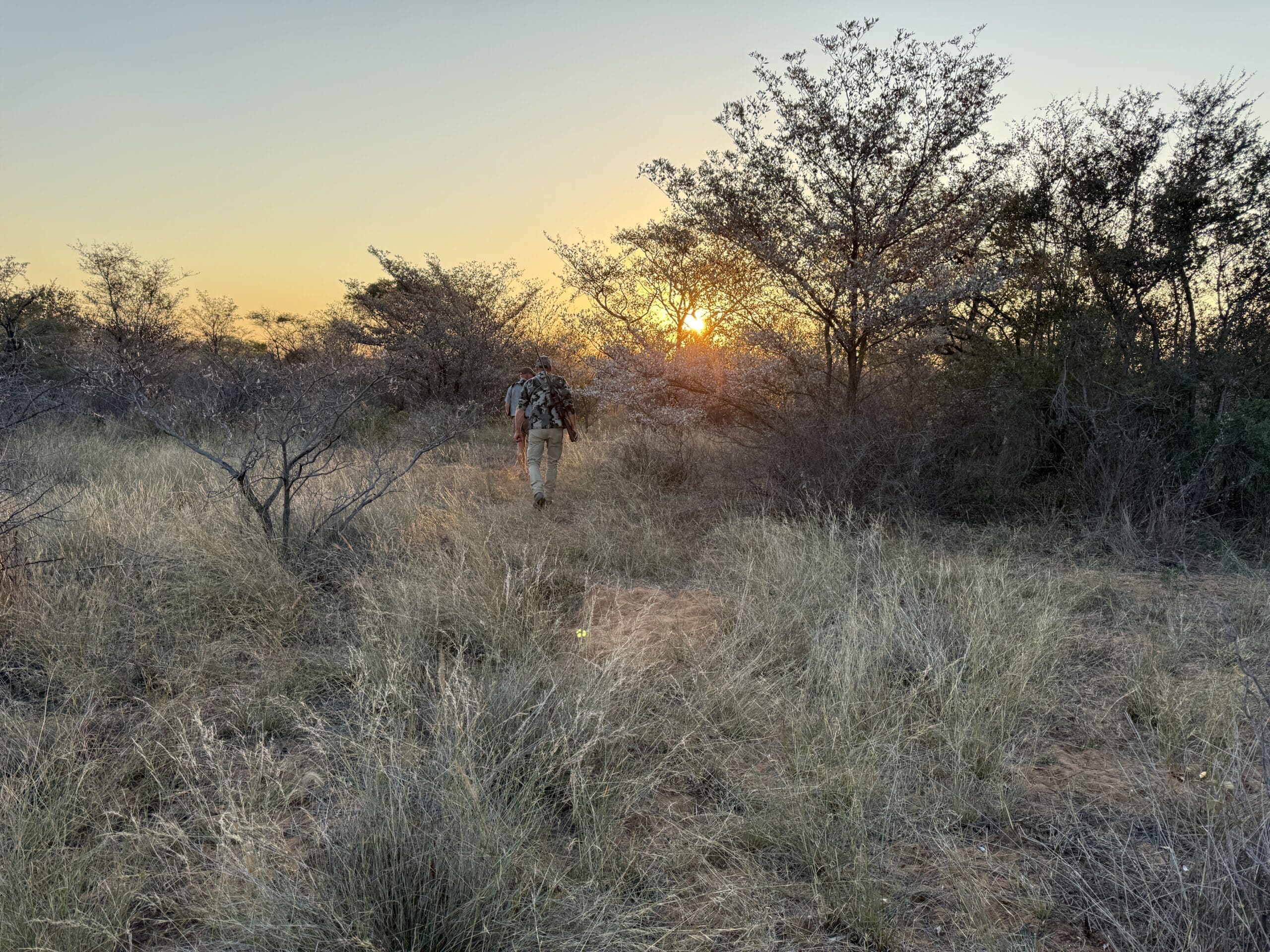
The terrain varied by property. Some areas were relatively open. Others were filled with dense thorn brush.
Moving through it quietly was difficult.
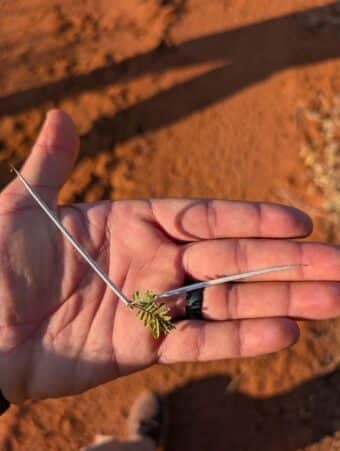
The brush grabbed at clothing, scratched exposed skin and made it nearly impossible to forget where you were.
What Is the Weather Like in South Africa in July?
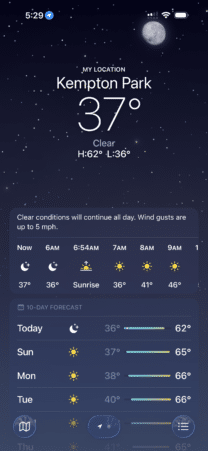
Cold in the morning and beautiful in the afternoon.
July is the middle of winter in South Africa and is identified by Kuche as its coldest month.
One morning, there was frost on the ground.
We regularly began the day wearing four or more layers. As the sun came up, we peeled layers off and left them in the truck.
The cold was not unmanageable. It was just a shock after leaving 90- to 100-degree summer temperatures at home.
By afternoon, the weather was often sunny and comfortable.
I packed one pair of shorts. I never wore them, although I probably could have during part of the day.
What Should You Pack for a July or August Safari?
Bring all the clothes.
Seriously.
Layers are the answer.
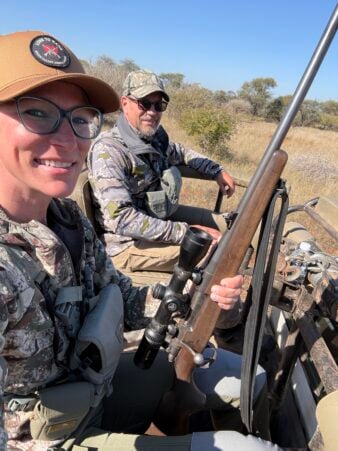
You need enough clothing for frosty mornings while still being able to strip down as the afternoon warms up.
Other than the shorts, I used essentially everything on Kuche’s suggested packing list.
The lodge also provided daily laundry service, so there was no need to pack a completely separate outfit for every day. Kuche specifically recommends packing light because laundry is available.
Binoculars Are a Must
Bring good binoculars and carry them in a chest harness.
You can see forever in South Africa.
A comfortable chest harness keeps your binoculars accessible without forcing you to carry them by hand or constantly dig through the truck.
You will use them.
Fun fact: A zebra is black with white stripes. At a distance, a zebra looks like a short black horse.
Practice Shooting From Sticks
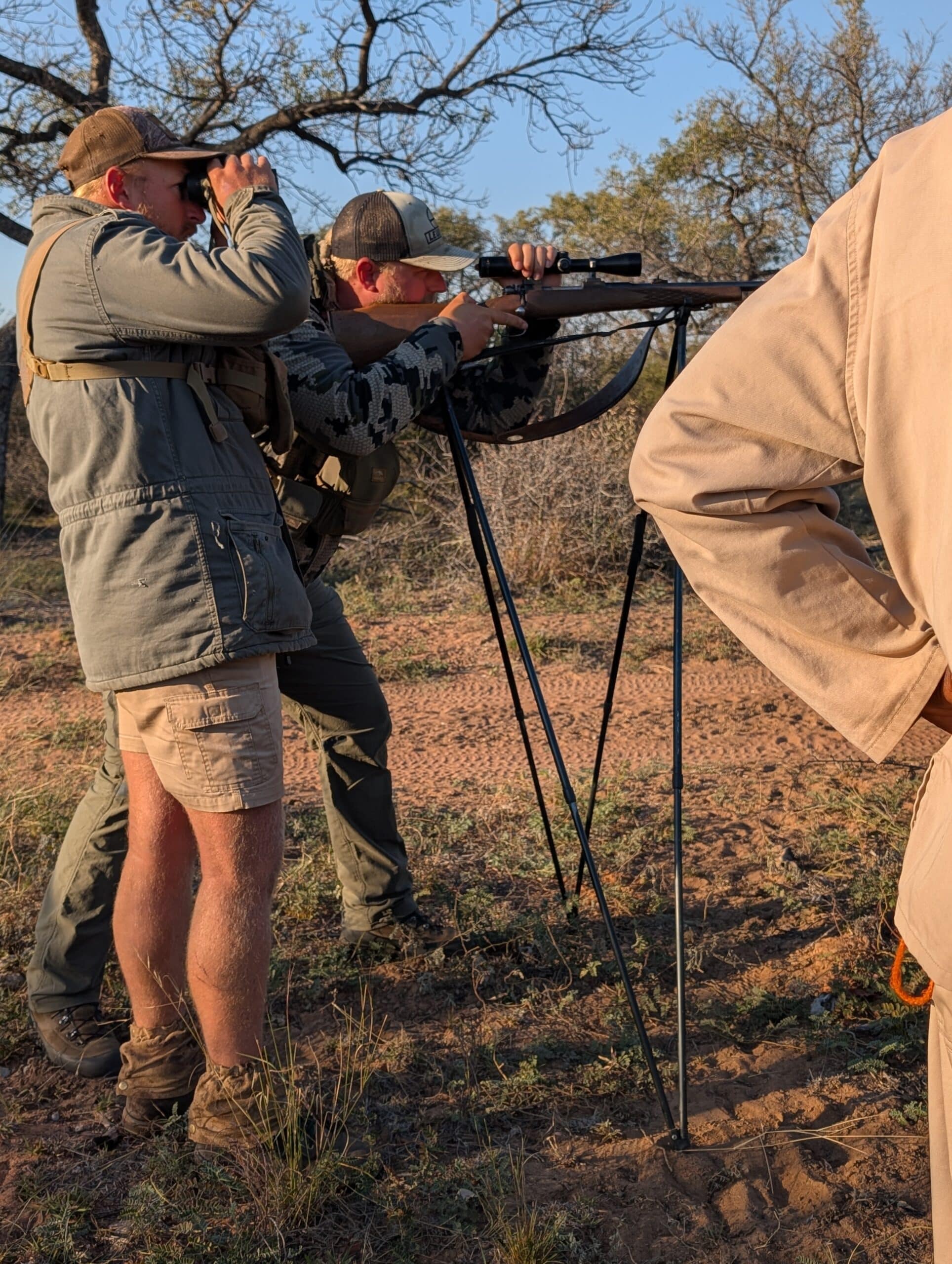
Many of our opportunities came from shooting sticks.
That is not the time to discover that you are uncomfortable getting into position, settling the rifle or controlling your movement.
Practice ahead of time.
Kuche’s own preparation information specifically recommends practicing from tripod or stable shooting sticks.
Practice from realistic positions, not just a perfect bench at the range.
Should You Bring Your Own Rifle to South Africa?
There is no simple answer.
Renting a rifle removes a substantial amount of international travel paperwork and reduces the risk of having your personal firearm delayed or lost.
We saw that risk firsthand.
One group at camp had firearms and equipment held up at customs. For their first three days, they were hunting with the clothes they had worn on the plane and equipment provided by their guides.
On the other hand, renting means using a rifle and trigger you may not know well.
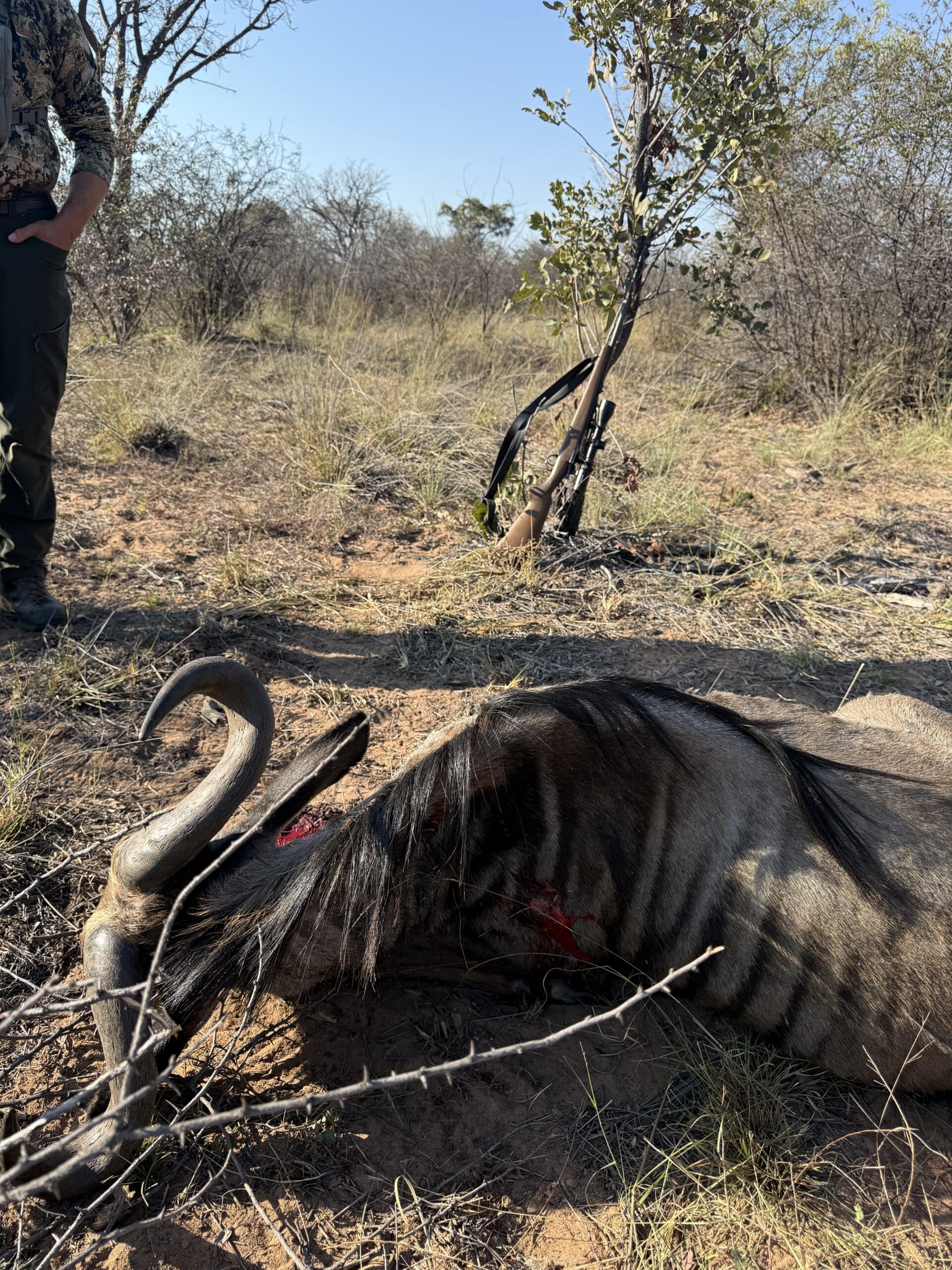
That mattered during my zebra hunt.
The missed recovery was ultimately my responsibility. I took a rushed, unstable shot that I should not have taken.
But an unfamiliar trigger added another variable at exactly the wrong moment.
If I return, I would seriously consider bringing my own rifle despite the additional hassle.
Confidence matters.
What Are the Rooms Like at Kuche Safaris?
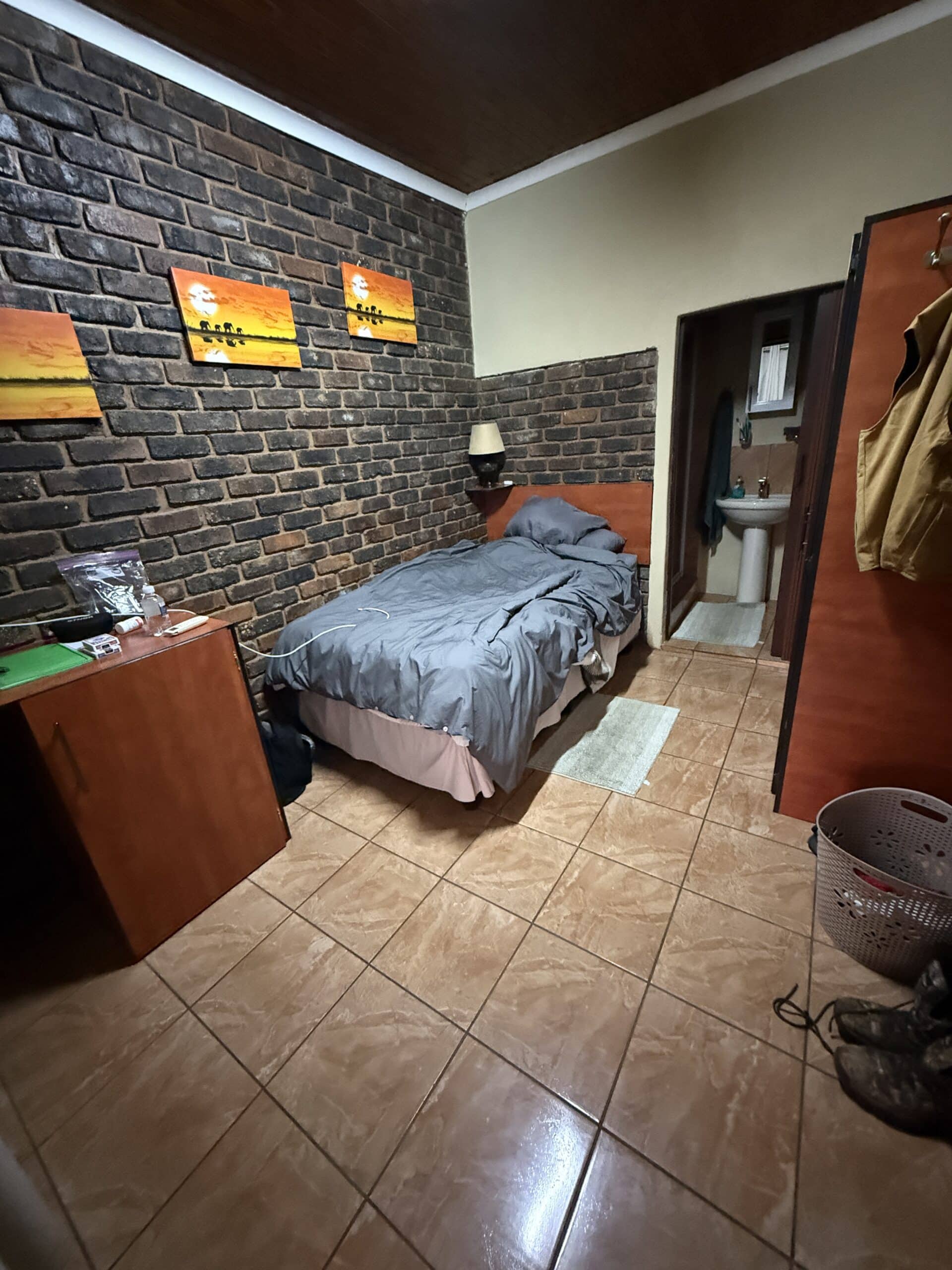
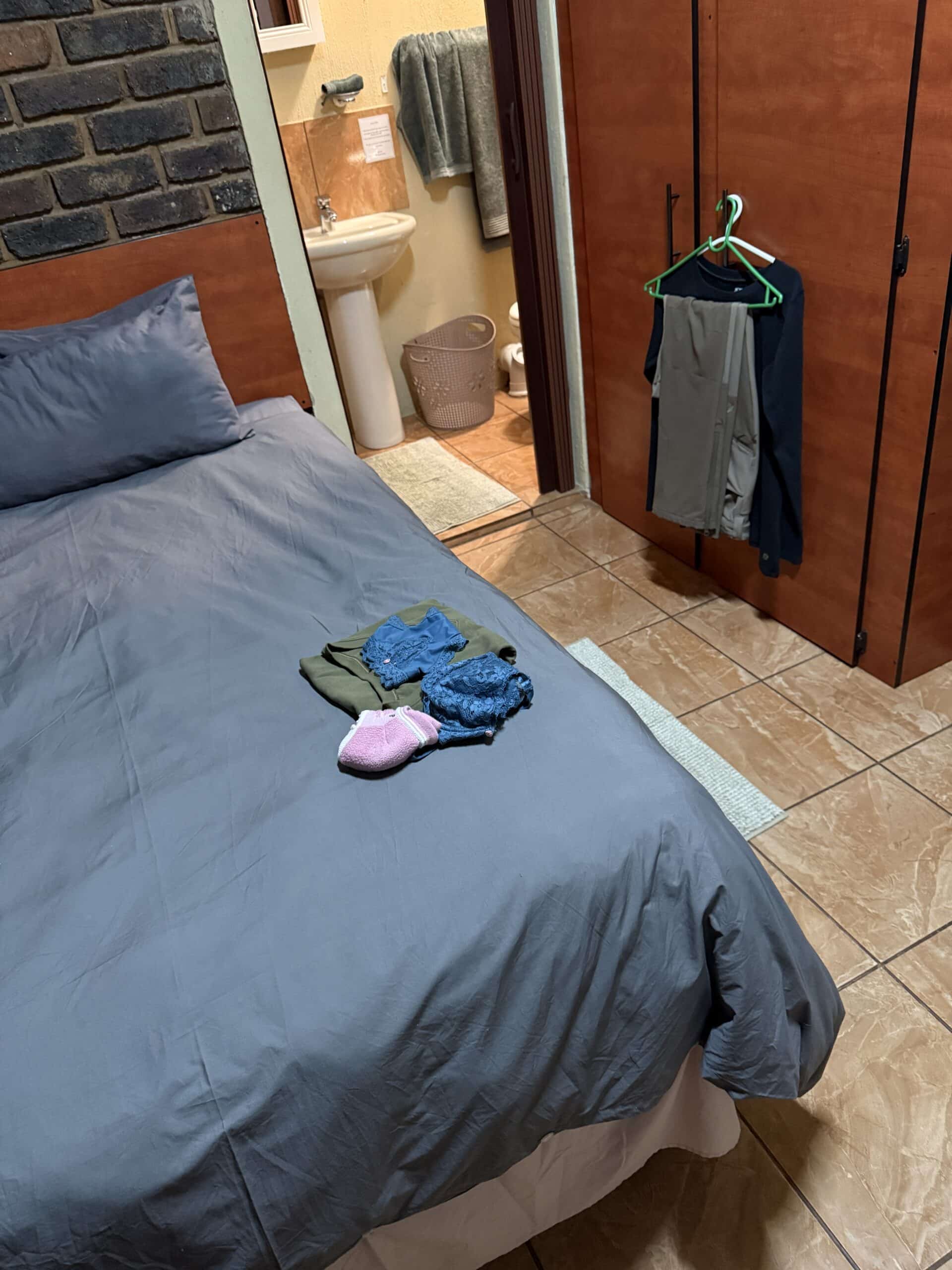
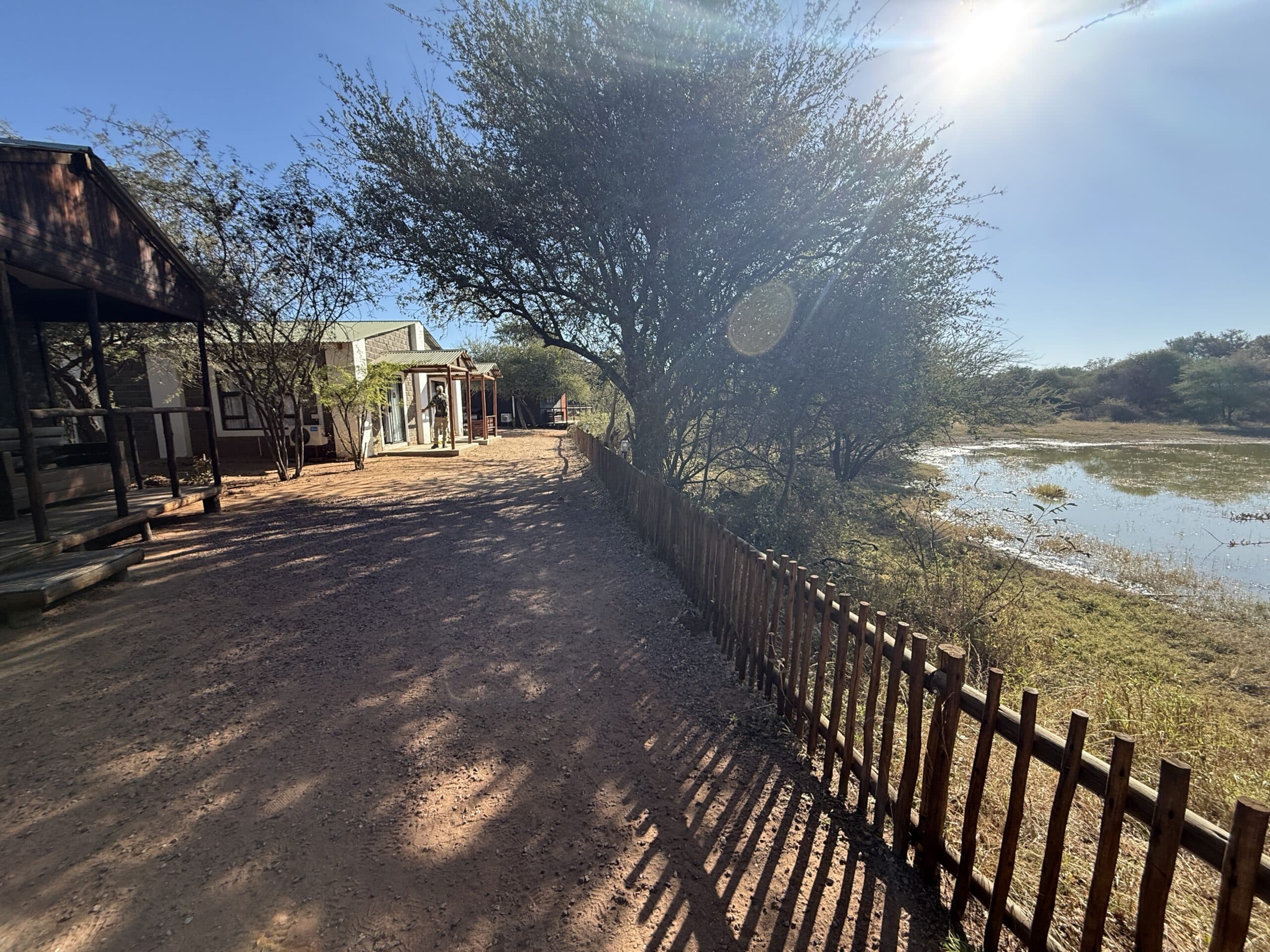
The accommodations were clean, simple and comfortable.
Marcel and I each had single rooms with twin beds and small en suite bathrooms.
Dad and Zach shared a separate cabin with two twin beds and a larger bathroom.
Staff cleaned the rooms every day and handled our laundry.
What Is Camp Life Like?
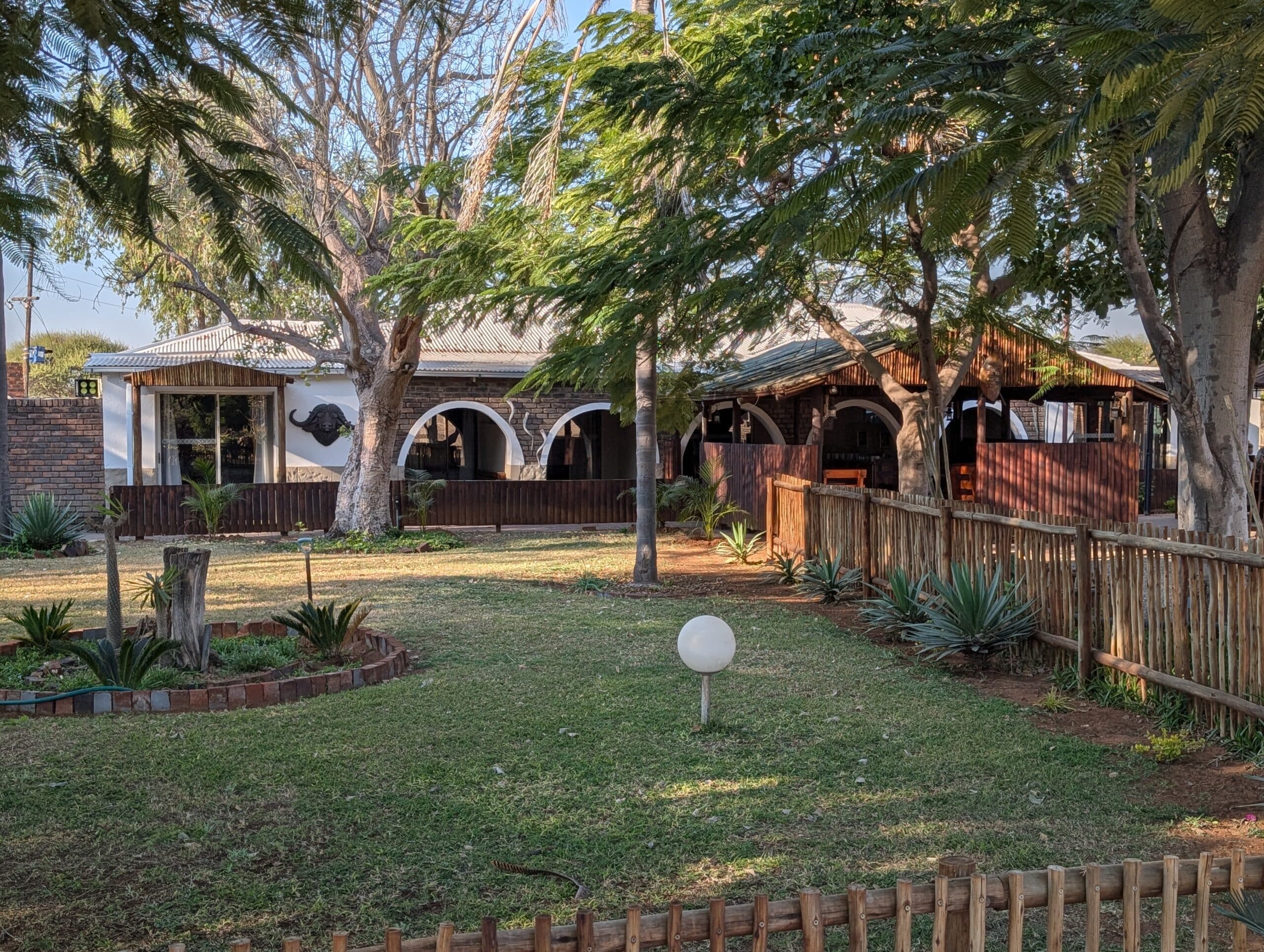
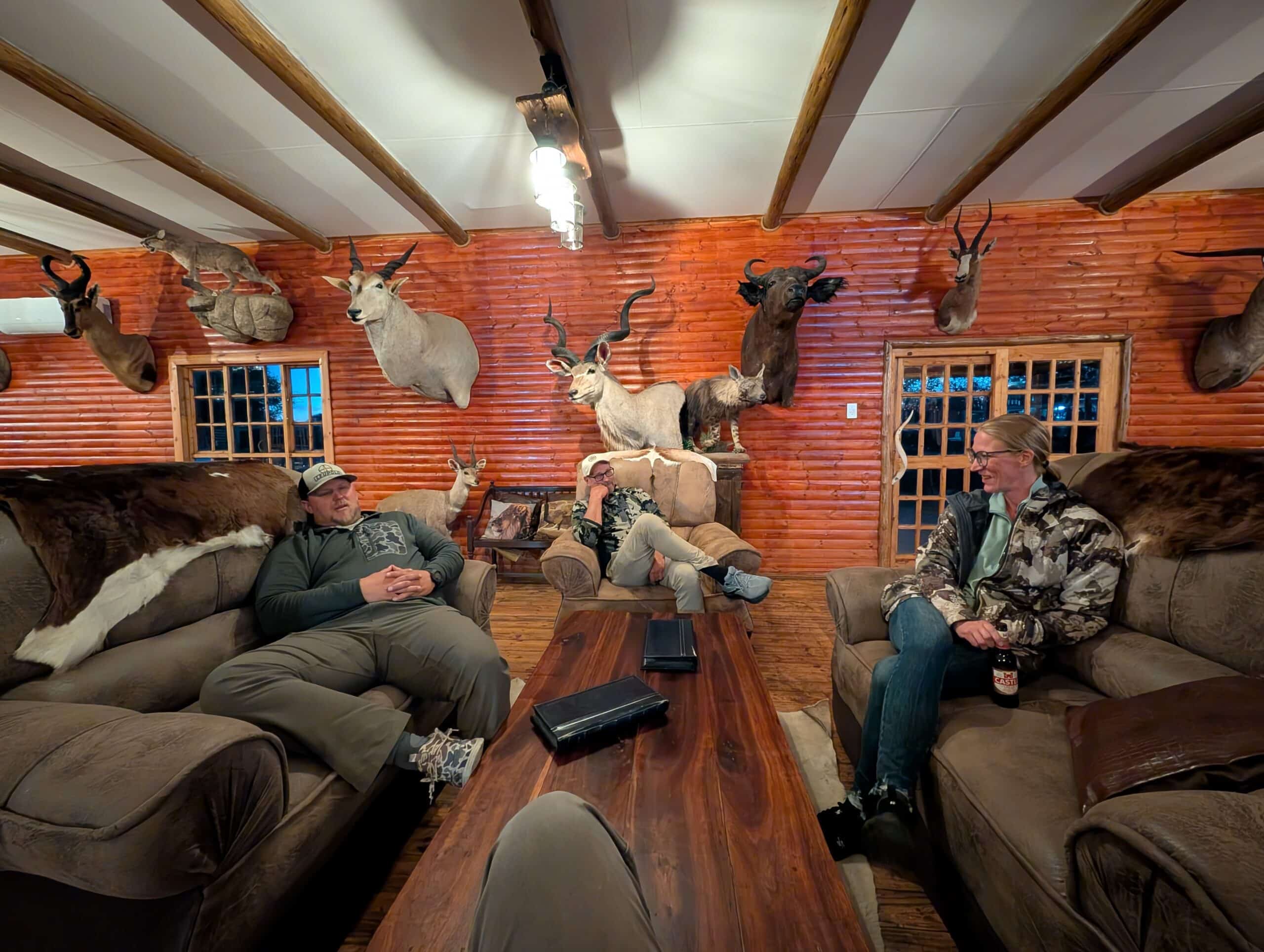
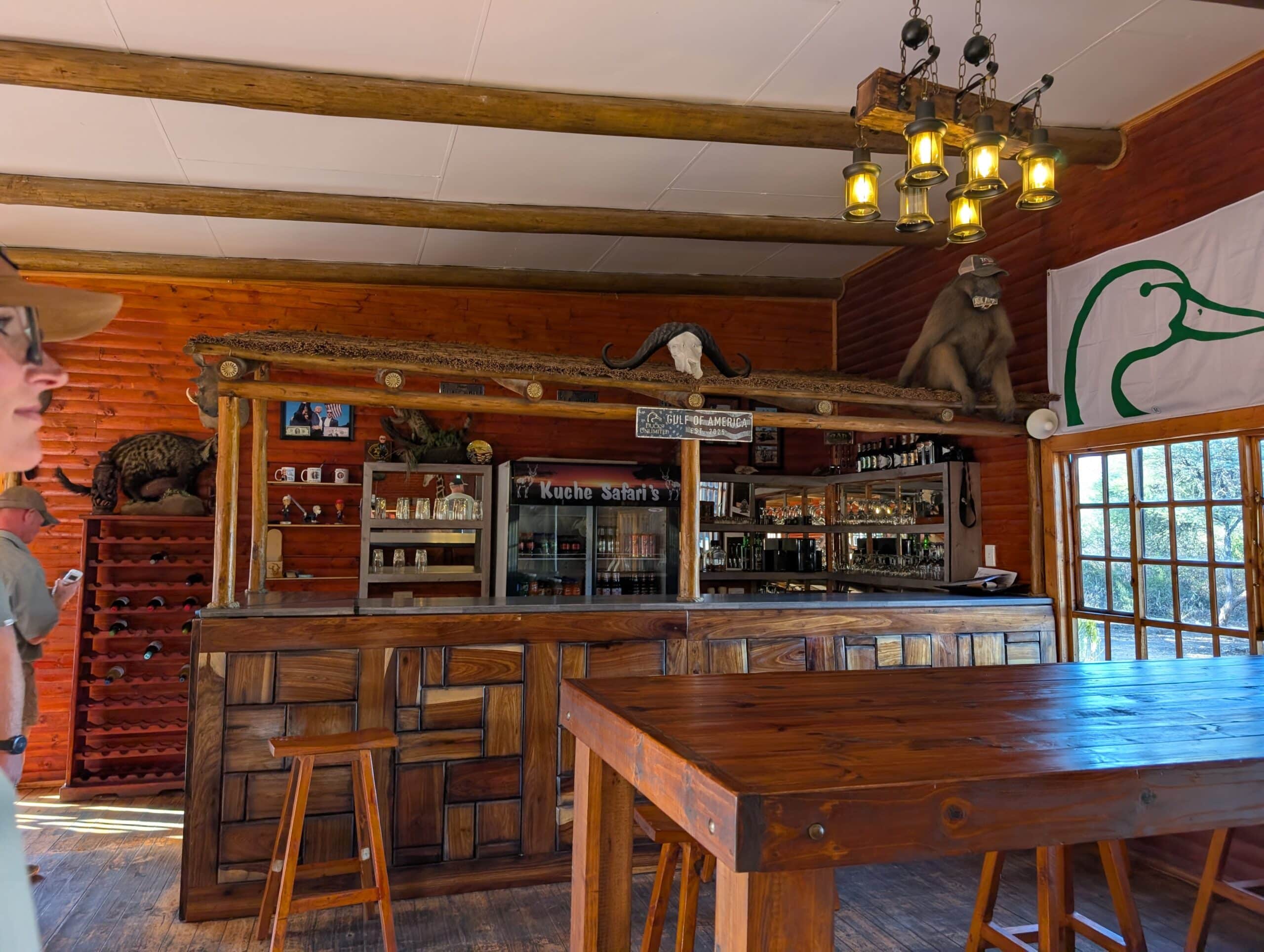
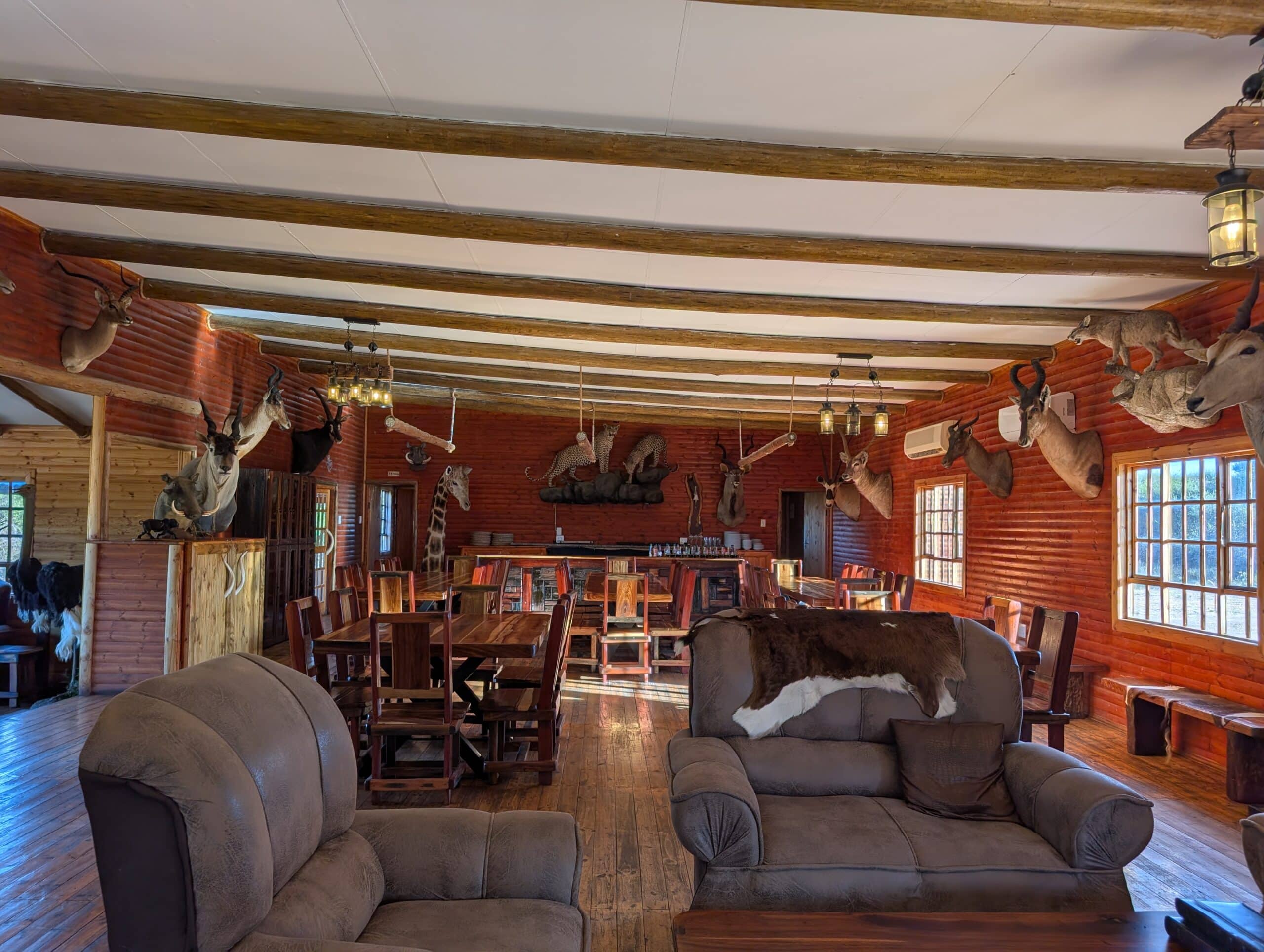
The main lodge was where everyone gathered at the end of the day.
There were approximately four or five hunting groups in camp during our stay.
Everyone returned with different stories.
Some had recovered animals. Some had difficult tracking jobs. Others had spent the day chasing something that never gave them a shot.
We drank beer, compared stories and waited for supper.
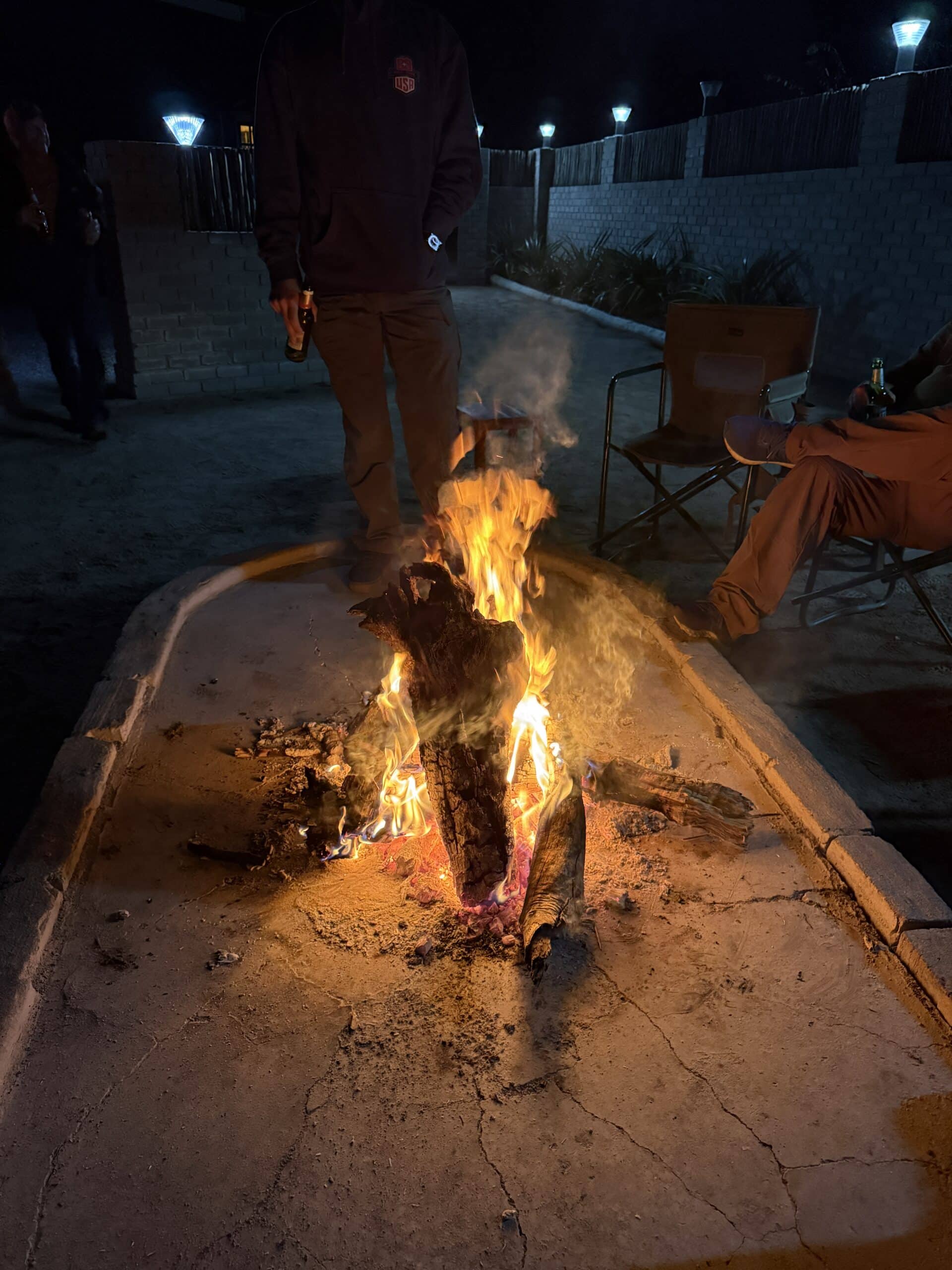
There was also a small bonfire each night, which made a great place to slow down after spending the entire day in the truck or walking through the brush.
What Is the Service Like?
The staff were unbelievably polite.
Even when they knew your name, it was always “ma’am” or “sir.”
They cooked three meals a day, cleaned our rooms and washed our clothes daily.
It was quite lovely.
Every night, supper was served family-style at 8 p.m.
Either Mr. Kuche or his son greeted the hunters and welcomed everyone back from the day. A staff member said a prayer, and then the chef introduced the meal.
One night, the chef told us he would reveal the type of protein after we had finished eating.
That seemed suspicious.
We ate it anyway.
What Do You Eat on an African Safari?
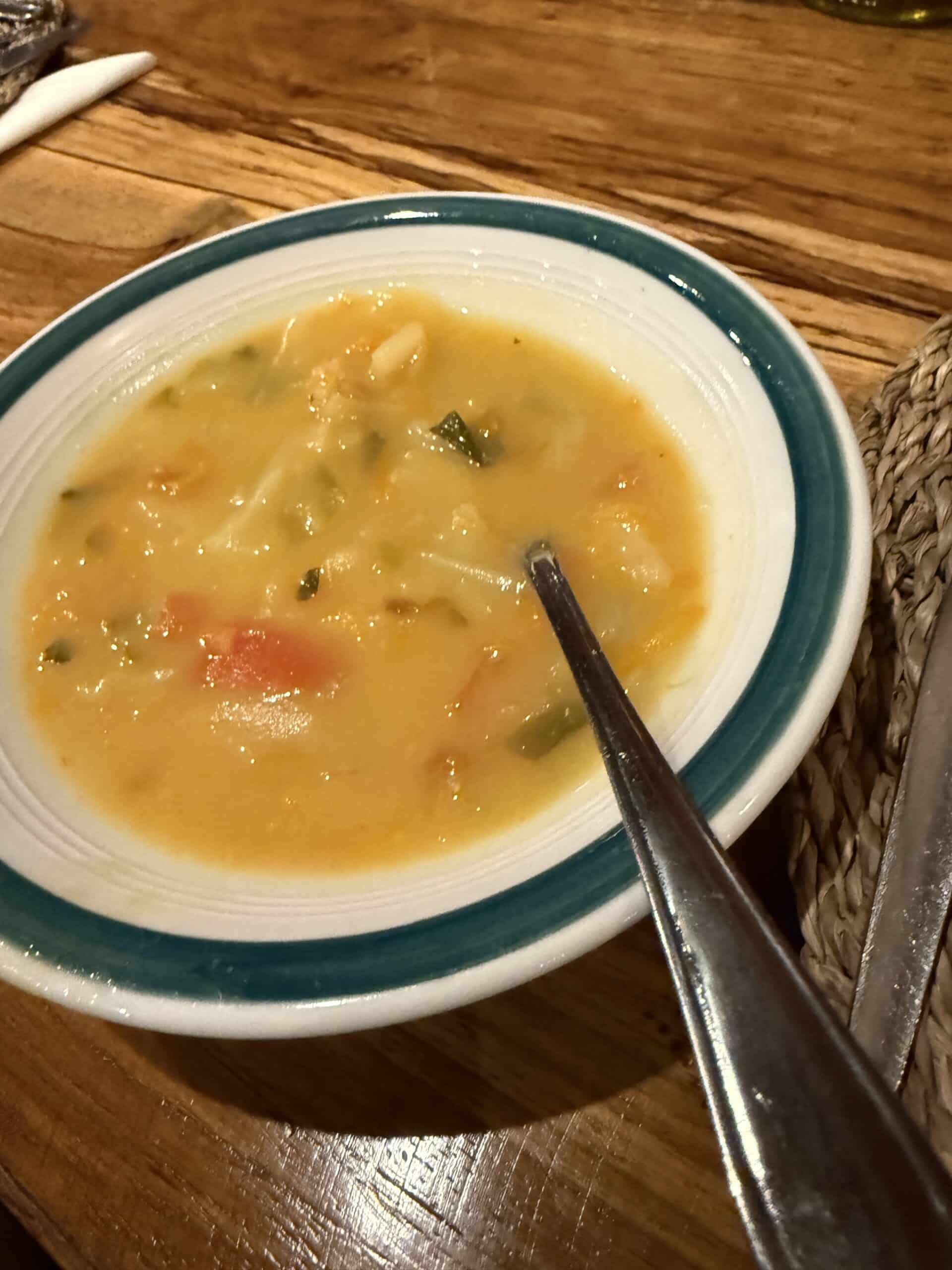
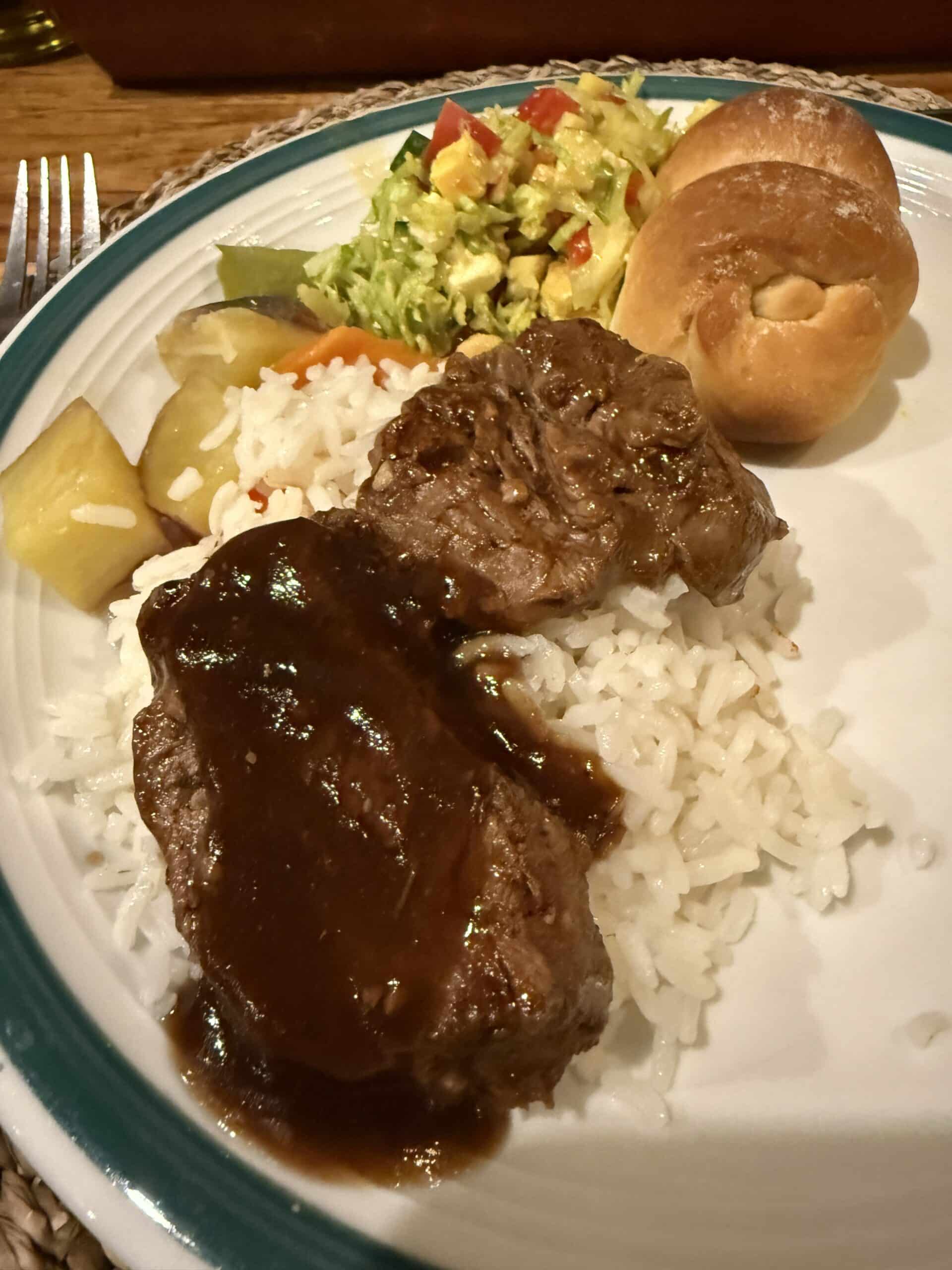
We ate extremely well.
The menu included:
- Zebra steak
- Wildebeest
- Impala
- Creamed sable
- Sable steaks
- Burgers and field lunches
The zebra steak on our first night was outstanding.
I would have a hard time choosing between a really good beef steak and a zebra steak.
The evening meals became part of the experience. They gave everyone a chance to try different game, settle in and hear what had happened across the other hunting groups.
What Happens to the Animals After the Hunt?
All four of us are bringing home some part of South Africa.
That includes a combination of mounts, skulls and hides.
Dad, Marcel and I are having our taxidermy completed in South Africa. We expect the finished work to arrive in approximately 18 to 24 months.
Kuche offers in-house taxidermy and advises that completed work may take around 18 months before reaching the shipper.
Zach chose to have his taxidermy completed back in the United States.
Considering he has a giraffe involved, shipping a finished giraffe shoulder mount halfway around the world sounded like an especially expensive experiment.
I am sure he is not wrong.
How Do They Load Large Animals in South Africa?
Before the trip, I assumed loading animals would be one of the more physically demanding parts of the hunt.
Here I was thinking I would get my workout in trying to hoist these enormous critters into the back of a pickup. Instead, I hardly managed to get a spot of blood on me.
The professional hunters and trackers have this process down to a science.
First, they do not field dress the animals where they fall, which I found interesting. The animal is loaded whole and taken back for processing.
Second, the hunting trucks are equipped with a winch mounted behind the cab. With the right positioning, a few practiced steps and a team that has clearly done this more than a few times, they can load an animal that looks far too large for the truck in a surprisingly short amount of time.
There was no unnecessary wrestling, dragging or group of hunters standing around debating the best approach. Everyone knew exactly where to stand, what to grab and what needed to happen next.
I captured a couple of videos showing the entire process from start to finish. They have not been edited or sped up, so you can see the total amount of time it takes this crew to load a large animal.
Is the Travel Worth It?
The travel is brutal.
There is no good way to dress it up.
We had more than 19 hours of air time getting there and nearly 25 hours in the air on the way home.
Our full return journey took 41 hours.
Dad says he will never go back because of the travel.
I would.
The flight was miserable.
The experience was worth it.
Would I Hunt South Africa Again?
Absolutely.
I would make a few different decisions.
I would strongly consider bringing my own rifle. I would continue practicing from sticks. I would bring the same collection of layers and binoculars.
I would also try to slow down and take in more of the small moments.
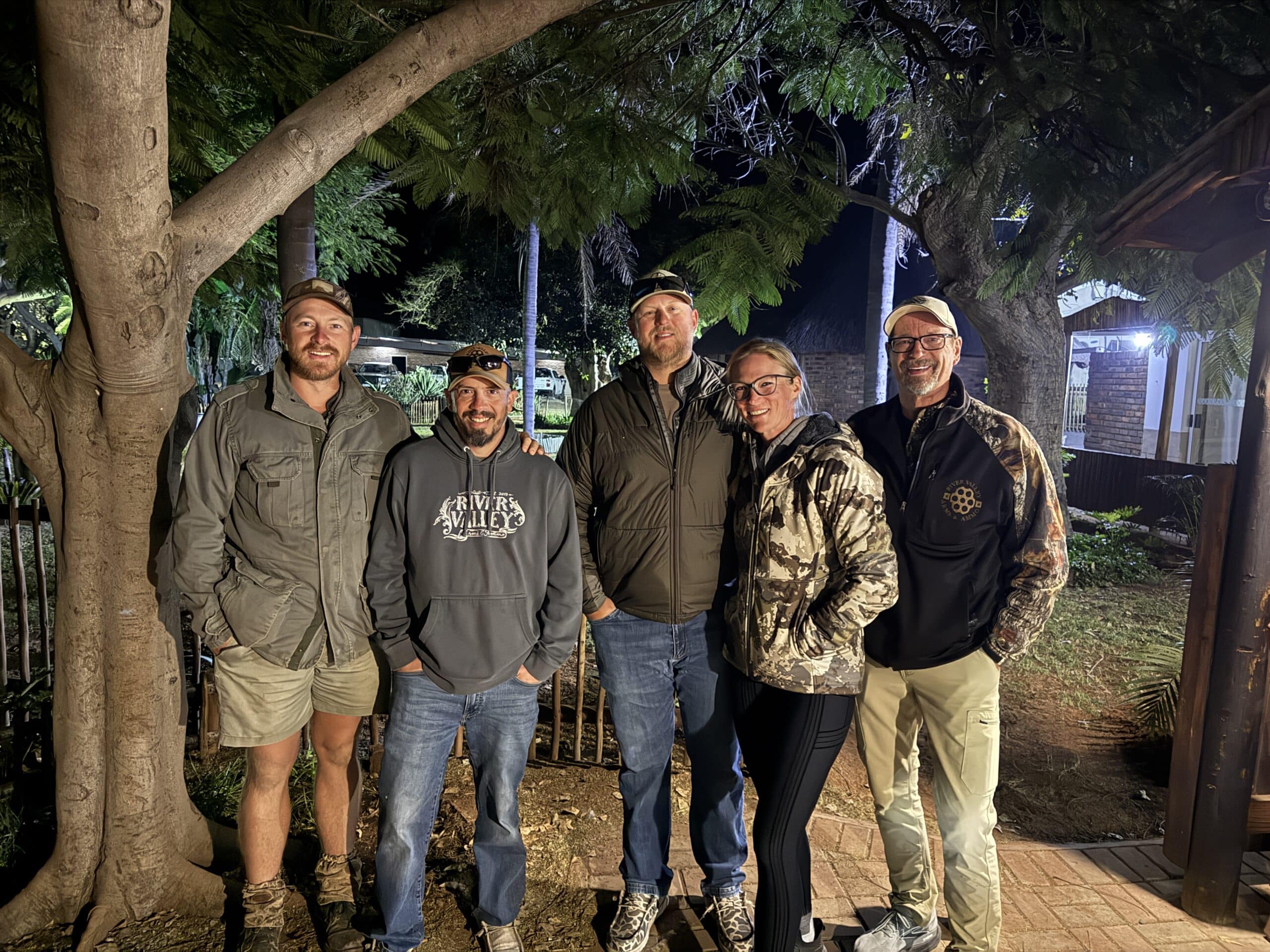
Because as incredible as the animals were, the best part was not the number of animals we brought home.
It was doing it with my people.
It was Dad proving to himself that he still had plenty of hunting left in him.
It was Zach and Marcel rolling back into camp with stories from a day I had not seen.
It was sharing beers, eating mystery meat and laughing about the loudest crackers on Earth.
The safari was the reason we went.
The memories together were what made the 41-hour trip home worth it.
Frequently Asked Questions
Is South Africa cold in July?
Yes. July is winter in South Africa and can bring freezing or near-freezing mornings. Afternoon temperatures are usually much warmer, so dressing in layers is important.
Do you need to bring your own rifle on an African safari?
No. Many outfitters rent rifles. Renting simplifies international travel, but hunters should spend time becoming familiar with the rifle and trigger before hunting.
Is hunting on a fenced game reserve easy?
Not necessarily. South African hunting properties may be fenced, but they can cover thousands of acres and include thick brush, open grassland and challenging terrain.
What animals can be hunted in South Africa?
Available species vary by outfitter and region. Common plains-game species include impala, blesbuck, wildebeest, kudu, zebra and warthog.
How long does African safari taxidermy take?
Turnaround time varies. Our estimated timeline for taxidermy completed in South Africa is approximately 18 to 24 months before it reaches us.
What should you practice before a South African rifle safari?
Practice shooting from tripod-style sticks, including standing and imperfect field positions. Hunters should also practice operating the exact rifle and trigger they plan to use.